CakeWin Back Trust, Win Back the Market
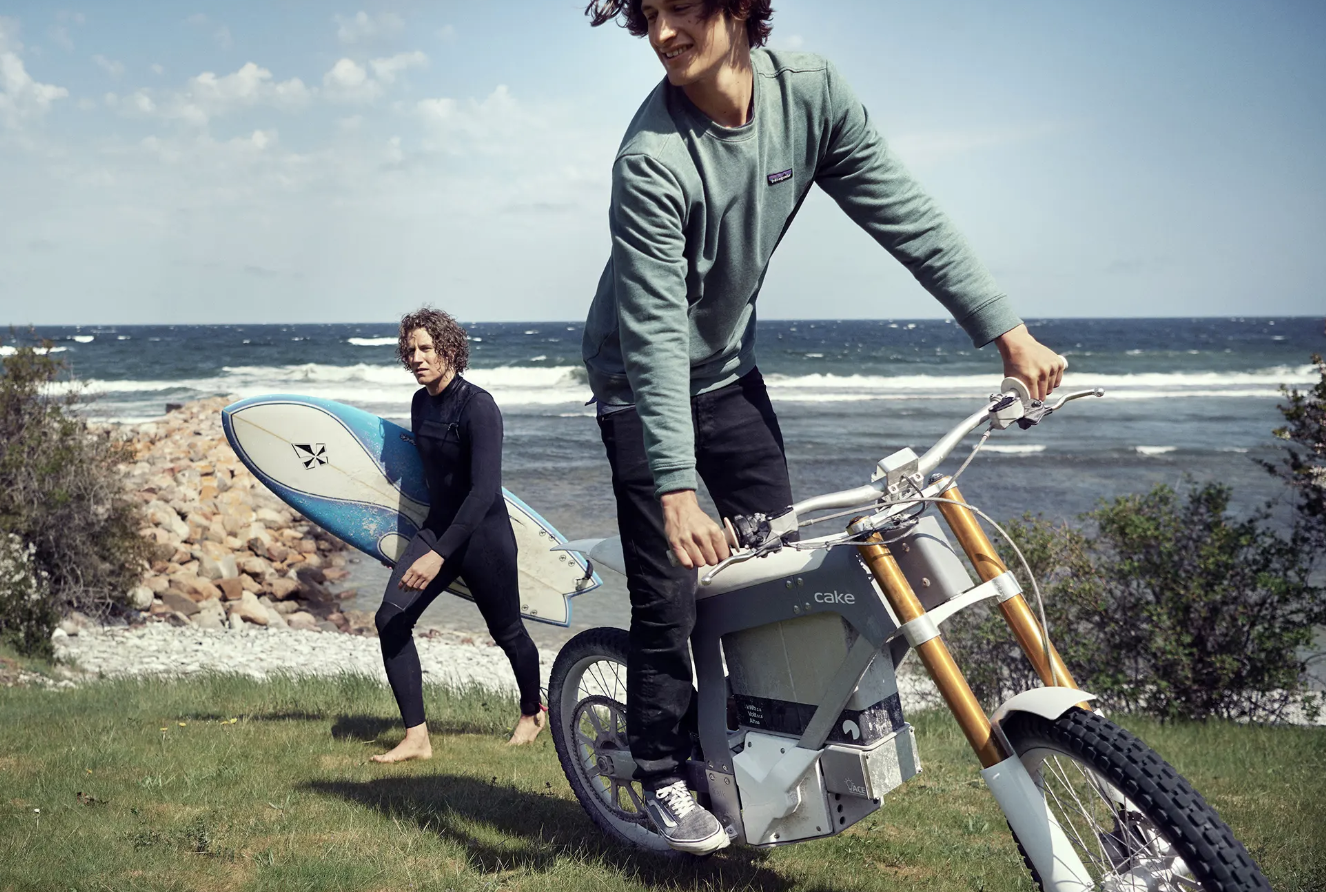
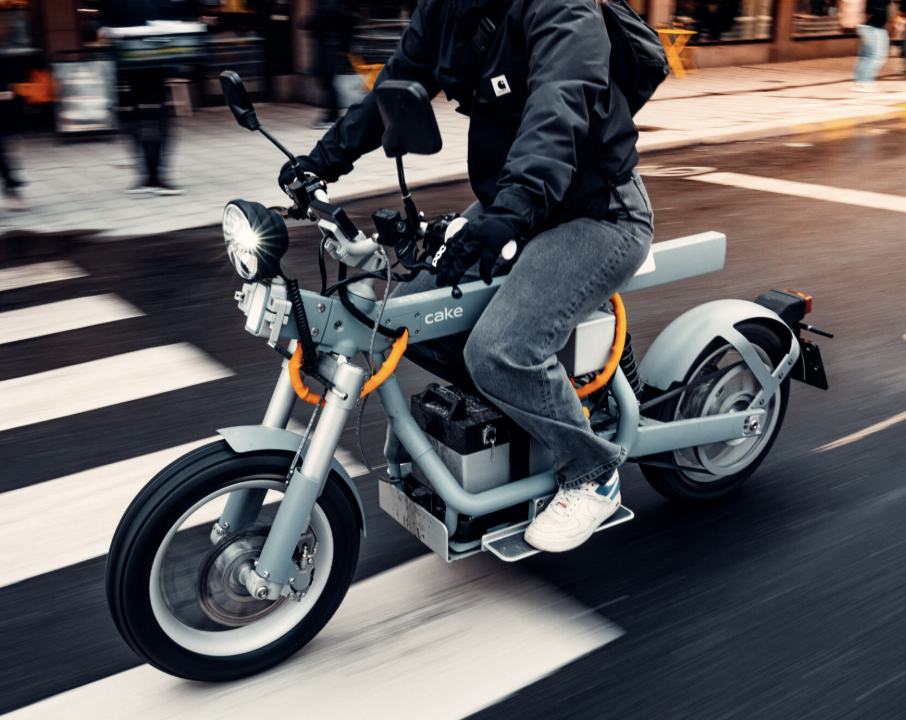
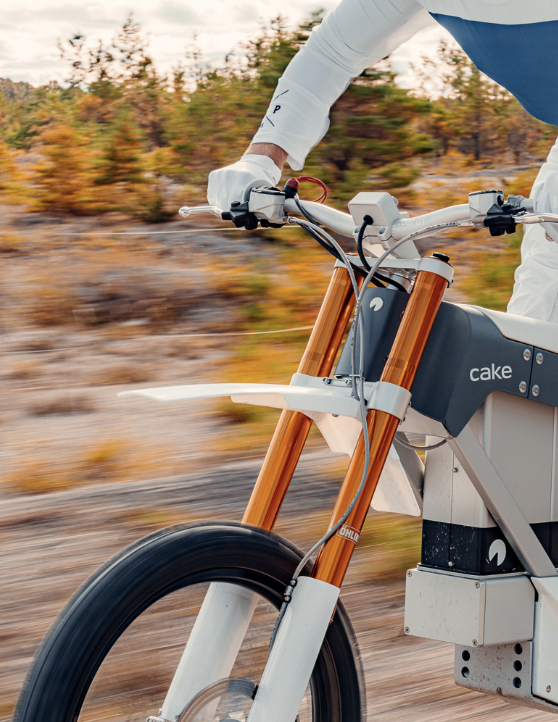
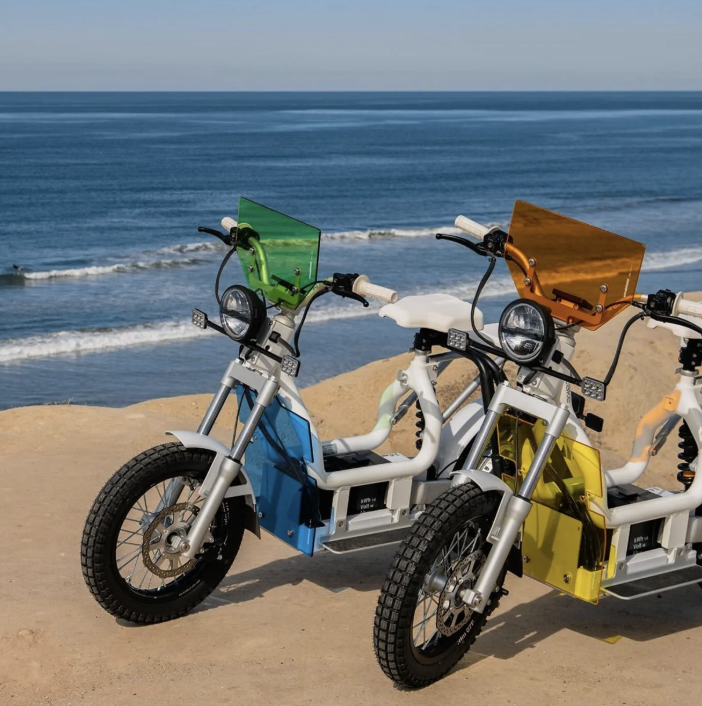
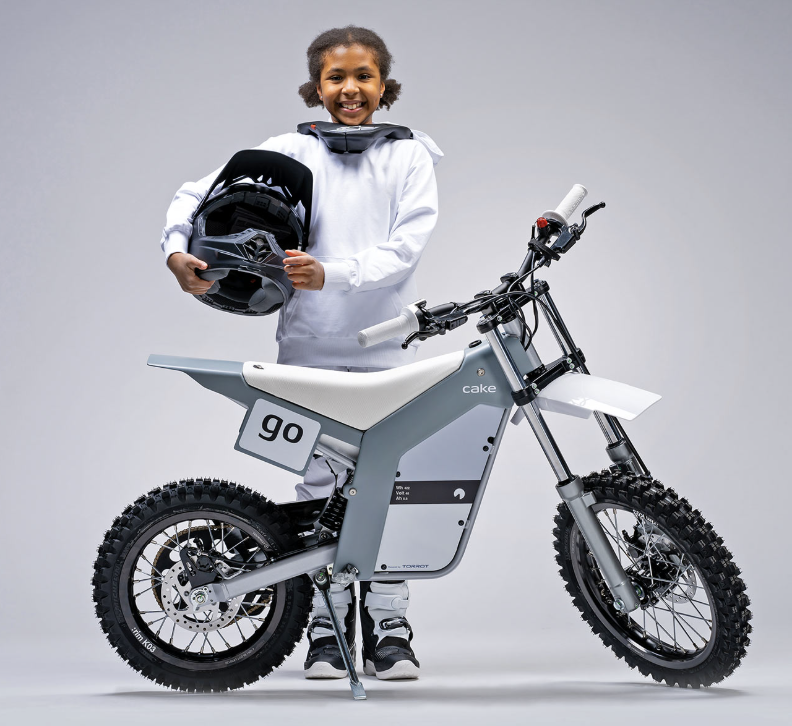
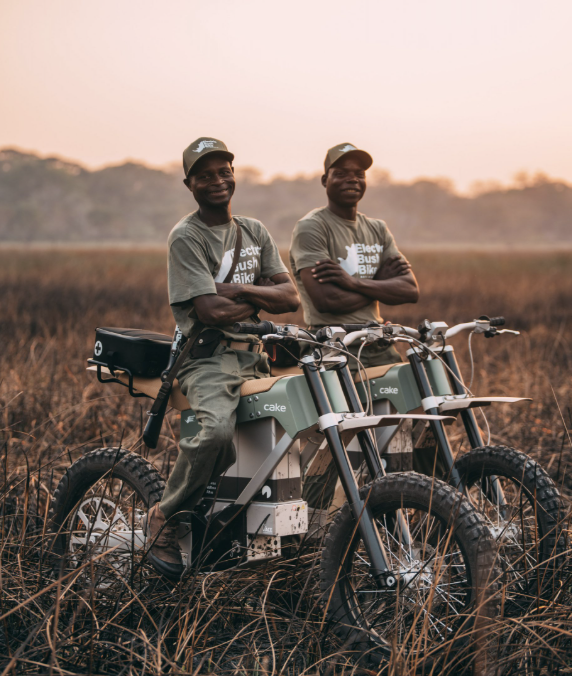

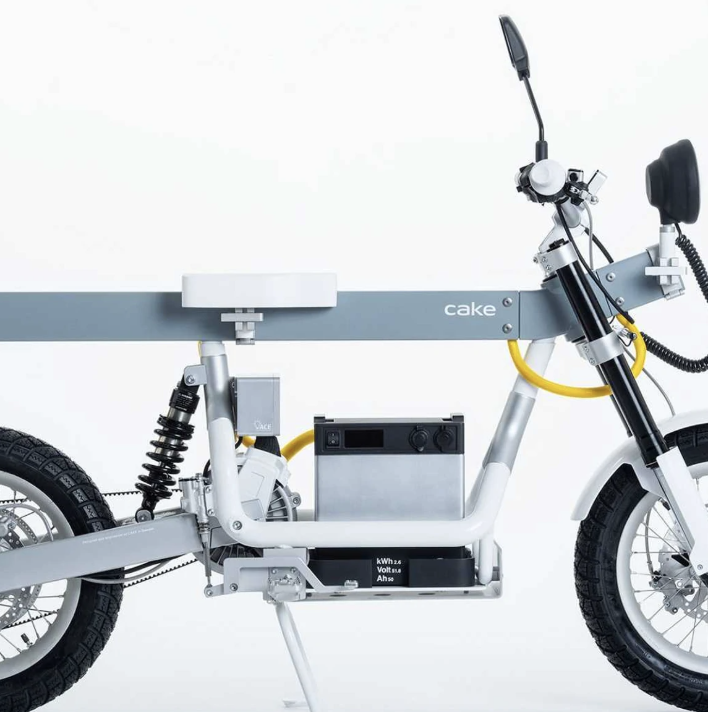
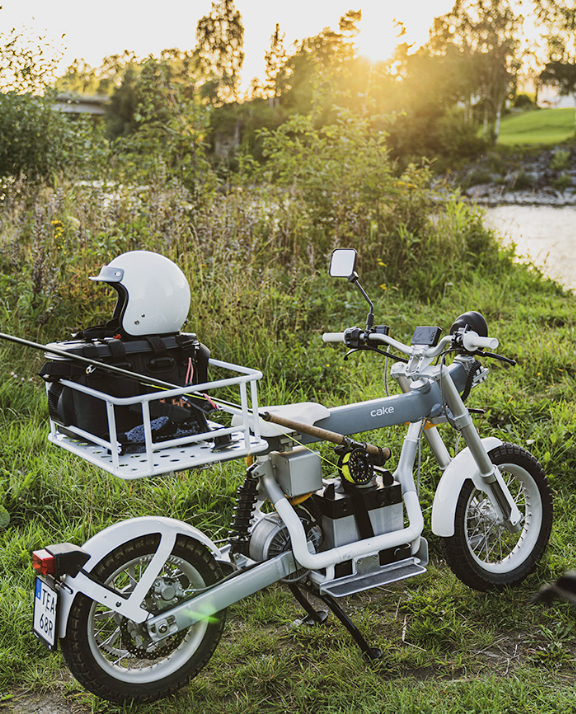
Cake, an early Swedish brand of premium electric motorcycles is back....but the market isn't the same
Founded in Stockholm
Innovation awards, "the Apple of Motorcycles"
Previous app was launched
Bankruptcy
Acquired
Cake is back from bankruptcy - do they need an app and would anyone pay for it?
CAKE went bankrupt in 2024 and was acquired shortly after. The market it helped pioneer had moved on and so had the user.
What users want and what users pay for are not the same thing
I led the research from secondary market research to primary research using mixed research methods including; competitor benchmarking,
in-depth interviews, card sorting to identify feature value, and prototype tests to validate early design directions.
To get closer to existing CAKE owners, I joined the brand's Discord community surfacing real sentiment from people who had lived through the bankruptcy firsthand.
What we heard, who we spoke to
18 interviews across Stockholm, the UK, Greece and Copenhagen; e-bike owners, CAKE owners, prospective buyers, and e-scooter users.
"I avoid parking in certain places because I don't trust it'll still be there." (E-bike owner, Stockholm)
"Just tell me how long I have not 43%." (E-bike commuter, Stockholm)
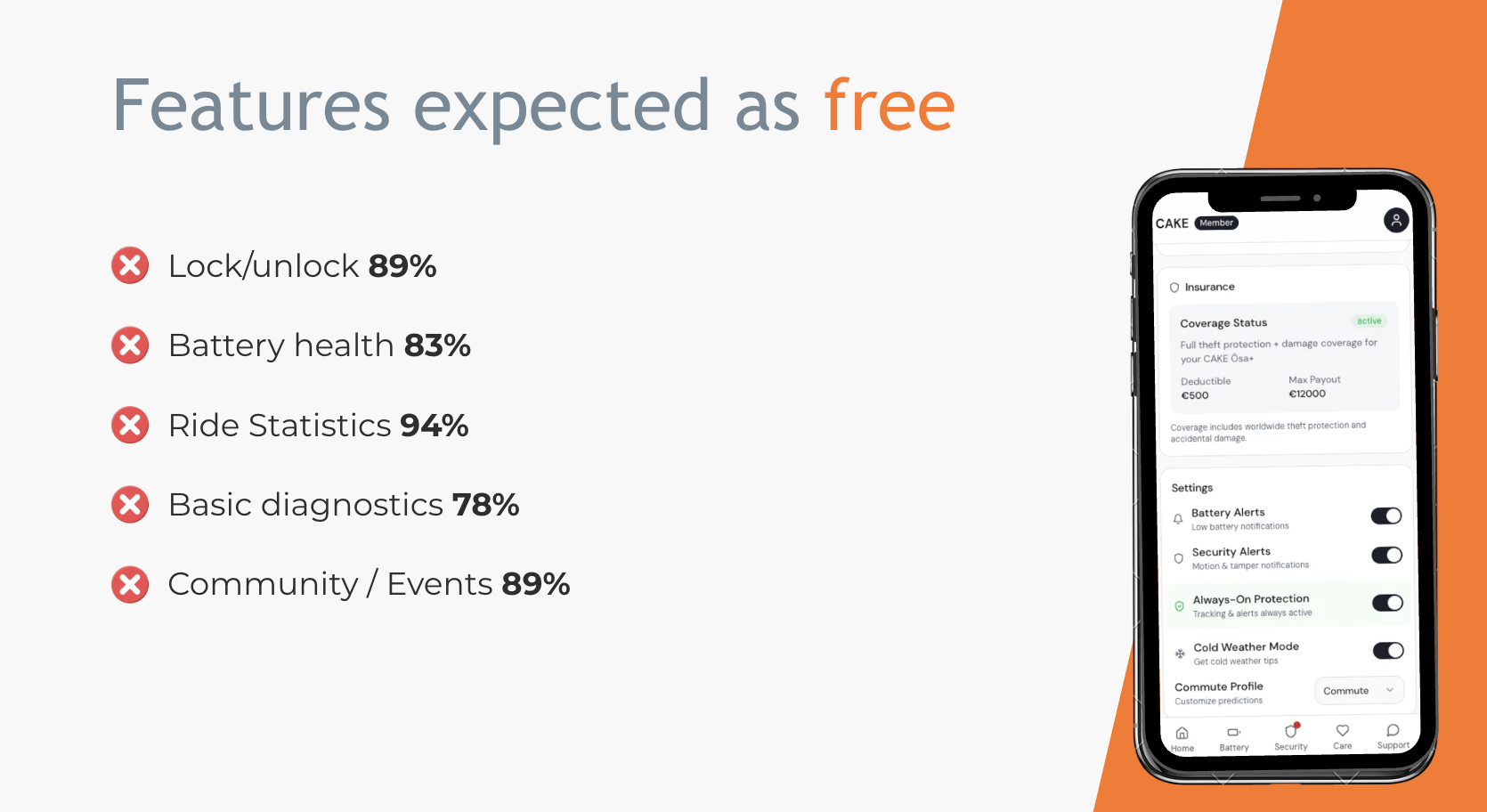
These features were rated most valuable and expected to be free;
- Security
- Battery confidence
- Bike readiness & control
These features gave the user more control and reduced worry when owning a premium e-bike.
"For that price, security should be serious." (Cake Owner, Athens)
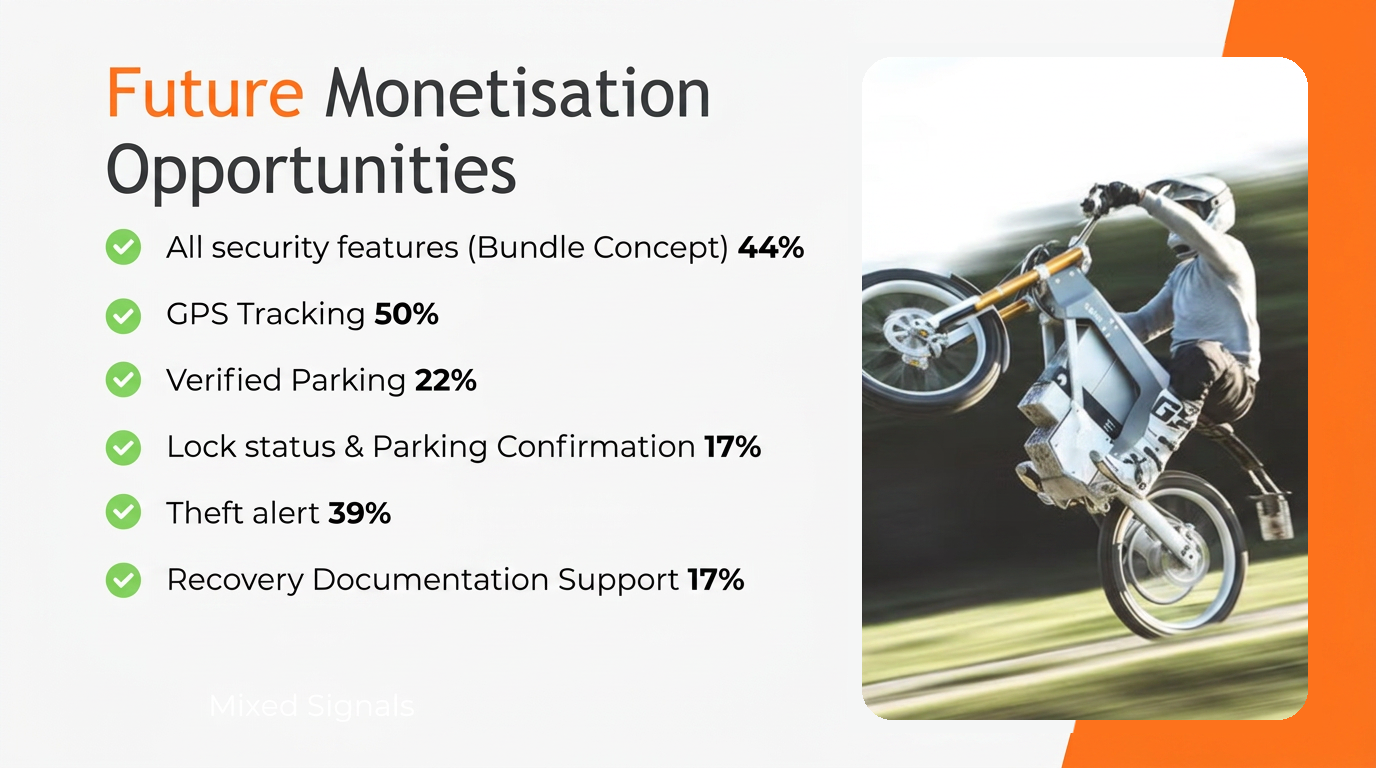
Users DO value certain features in a bike app....doesn't mean they'll pay for them.
However trust was the real barrier. CAKE's bankruptcy surfaced in almost every interview parts availability, brand longevity, after-sales support. No app feature could fix that. The data pointed in one direction. Users value security most. But value and willingness to pay are not the same thing and CAKE's bankruptcy made that gap even wider. The strategic question wasn't what to build. It was what to build first, and whether the brand had earned the right to charge for it yet.
Launch a free MVP. Rebuild trust first
Building an app is expensive. The smartest move right now is to build less, learn faster, and let the data make the case for what comes next.